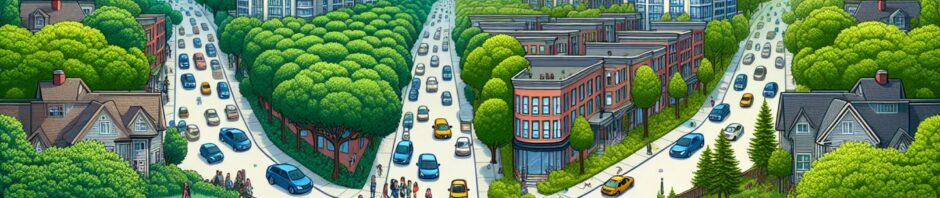
Why do residents in some urban regions observe more wildlife in their neighborhoods than others? One of the contributing factors lies in the proximity of their communities to parks or green spaces. Predominantly, homes built near parks experience higher wildlife activities than those in the interiors of cities.
Why Parks Attract Wildlife
Parks, in their essence, are expanses of various plant species, trees, water bodies, and provide a perfect habitat for wildlife. They offer nourishment, shelter, and breeding grounds for a wide range of animal species. From small insects to larger mammals, parks are an oasis of diverse ecosystems, contributing to higher wildlife activity in nearby neighbourhoods.
Proximity To Green Spaces
Homes adjacent to parks are likely to experience frequent wildlife sightings compared to urban district homes. These neighbourhoods offer an extension of the natural habitats provided by parks. Here, wild animals find a variety of food sources from household trash and gardens. Food leftovers in bins and diverse fauna in home gardens serve as a magnet for various animal species, thereby increasing wildlife sightings.
Urbanisation versus Wildlife
Centrally located city areas or high-density urban regions see less wildlife. Urbanisation, characterised by the spread of infrastructure and reduction of green spaces, is not a favourable condition for wildlife. However, species like rodents or pigeons have adapted to these changes and are often seen in middle-urban zones.
Wildlife Activity Patterns
Wildlife activities are not constant, and fluctuating patterns are often noticeable. Seasonal variations play a huge role in animal movements and activities. Certain species might be seen more during particular periods, for instance, bird sightings often sprout during the migration season.
Misconceptions About Wildlife
Commonly, the presence of wildlife near homes is seen as an annoyance or danger. But it’s important to understand that animals venture into these areas primarily for food and shelter. The proximity of homes to parks makes these areas an extension of their natural habitat.
Ethical and Regulatory Constraints
Handling of wildlife is well-regulated in many regions. Disrupting wildlife or their habitat could lead to penalties. It is necessary to let wildlife be unless it presents a danger to residents.
Natural Co-existence
Habitat overlaps between humans and wildlife are natural in park-adjacent neighborhoods. The recurring sightings of different species are a sign of environmental and biological diversity. Disruptions, fear, and safety concerns often persist due to lack of understanding or misconceptions about these animals.
Observing Respectful Boundaries
Although park-adjacent neighbourhoods witness more wildlife, it is not synonymous with an increase in danger or pest presence. Staying aware of animal patterns, behaviors, and understanding the need for co-existence can foster respectful interactions between humans and animals.
In conclusion, park-adjacent communities act as extensions of natural habitats due to their close vicinity to diverse ecosystems. Their residents have the unique opportunity to observe and appreciate more wildlife, contributing to a sense of connection with nature amidst urban settings.