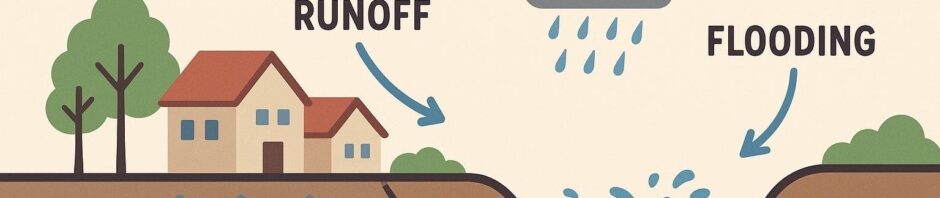
Ravines in many urban areas, especially in cities like Toronto, often flood despite engineering efforts to modify their channels. These floods can cause damage to homes, roads, and infrastructure. Understanding why flooding continues after these modifications requires examining natural, structural, and environmental factors specific to such locations. This article explains key reasons for recurring ravine flooding and how local conditions influence this issue.
Natural Characteristics of Ravines
Ravines are steep-sided valleys formed by water erosion over long periods. They act as natural drainage systems, carrying runoff during rainstorms from surrounding land to larger bodies of water. Many ravines in Ontario developed in landscapes with significant tree cover, loose soil, and unconsolidated rock. These features influence how water moves and accumulates.
The steep slopes in ravines make soil and debris prone to shifting when saturated. Heavy rains can cause rapid runoff, overwhelming riverbeds and stream channels. Channel modifications often aim to control this flow but may not fully mimic the original natural absorption, storage, and gradual release of water the ravine provided. Thus, heavy rainfall continues to produce floods.
Urban Development and Increased Runoff
Urban development near ravines typically increases impervious surfaces like roads, roofs, and parking lots. These surfaces prevent water absorption into the soil and speed up runoff rates into ravine channels. In regions such as Toronto, where many older neighbourhoods grew around ravines, this effect is common.
Channel modifications, such as concrete lining or widening, may improve flow capacity temporarily. Still, they cannot fully offset the increased volume and speed of stormwater entering the ravine system. Surrounding soil and vegetation, which once slowed and absorbed rainwater, are often reduced or disturbed. This leads to higher peak flows during storms, contributing to flooding.
Limitations of Channel Modifications
Channel modifications address certain issues but often focus narrowly on clearing or strengthening the waterway itself. These interventions include dredging, bank stabilization, or installing culverts and concrete channels. While they reduce localized erosion and may guide water through developed areas, they have limits:
- Modified channels often cannot hold higher volumes brought by extreme weather events.
- Smoothing stream beds or straightening channels can increase flow speed, causing downstream problems.
- Concrete or artificial structures reduce infiltration and eliminate habitats that naturally moderate flows.
- Maintenance challenges arise as debris and sediment accumulate, reducing channel capacity.
In many cases, only parts of the ravine are modified, leaving upstream or adjacent drainage areas untreated. This causes bottlenecks where natural channel function is disrupted but not fully replaced.
Seasonal and Weather Patterns
Flooding patterns in ravines reflect local climate and seasonal rainfall variations. Toronto experiences distinct wet seasons and occasional extreme storms. Intense rain falling on frozen or saturated ground in spring or fall generates rapid runoff. Ravines often respond quickly due to their shape and upstream catchment size.
Climate change also influences rainfall intensity and frequency. Observations show more frequent heavy rainfalls in recent years. These events produce volumes of runoff that exceed the design criteria of many older channel modifications. Infrastructure built decades ago typically accounted for average storm intensities rather than today’s extremes.
Soil Saturation and Groundwater Factors
Soil moisture impacts flooding in ravine systems. When soils are already near full saturation, even normal rainfall can produce excess runoff. Urban soils disturbed during development often have reduced permeability. Compacted or altered soils limit infiltration.
Groundwater levels in ravine areas can rise due to previous rain or seasonal changes. High groundwater can reduce the soil’s capacity to absorb new rainfall. This situation causes water to flow quickly to the ravine channels rather than slowly infiltrate.
Common Misconceptions About Flood Control
There is often an assumption that once physical changes are made to a ravine channel, flooding stops. However, channel modification is not a guaranteed flood fix. Some common misconceptions include:
- Believing that wider or deeper channels always prevent flooding.
- Assuming concrete lining eliminates erosion enough to stop overflow.
- Expecting that urban infrastructure alone controls natural flow dynamics.
- Underestimating the impact of upstream land use changes on water volume.
Flood control requires considering the entire watershed, not just one ravine section. Isolated channel work tends to reduce some risk but cannot eliminate flood hazards fully.
Regulatory and Environmental Constraints
Modifying ravines is subject to municipal and provincial regulations that protect natural habitats and water quality. In Toronto, the Toronto and Region Conservation Authority (TRCA) oversees many ravine areas. These rules can limit how much alteration is permissible to preserve ecological functions.
For example:
- Many ravine banks are protected from heavy construction or hardening.
- Removal of vegetation may require permits or be restricted to protect local flora and fauna.
- Work near watercourses has limits to reduce negative impacts on fish habitat and erosion downstream.
These constraints mean channel modifications typically respect ecological balance. As a result, they may not be designed to handle extreme flooding alone, focusing instead on reducing erosion or guiding flows safely within defined limits.
Examples of Flooding Despite Modifications
Several ravines in Toronto illustrate persistent flooding after modification. In the Don Valley ravine system, channel work has aimed to stabilize banks and manage runoff. Still, downstream flooding occurs during heavy storms, affecting adjacent neighbourhood streets and property.
Similar patterns emerge in areas like the Highland Creek ravine. Channel improvements reduce bank failure locally but cannot prevent flooding from rapid upstream runoff in severe weather. These examples show that engineering works must be part of broader watershed management.
Pros and Cons of Channel Modifications
Pros:
- Reduce localized erosion.
- Protect infrastructure near ravines.
- Guide flows within safer corridors.
- Improve some flood control capacity for moderate storms.
Cons:
- Do not eliminate flooding in extreme events.
- Can increase flow velocity and cause downstream issues.
- Often reduce natural infiltration and groundwater recharge.
- Require ongoing maintenance to remain effective.
- Can disrupt natural habitats and ecosystem functions.
Conclusion
Ravines continue to flood even after channel modifications due to the natural shape of ravines, increased urban runoff, and weather patterns. Modifications address some risks but fall short of fully controlling floodwaters, especially under extreme conditions. Environmental regulations and urban land use further affect flood outcomes. Understanding these factors helps explain why flooding remains a recurring issue in ravine areas of cities like Toronto.
Effective flood management involves combining structural modifications with comprehensive watershed planning, considering natural processes, urban impacts, and climate variability. Awareness of these points offers insight into the limitations and expectations surrounding ravine flood control.